

French workplace noise regulations set precise exposure limits and impose clear obligations on employers to protect workers’ health. Noise at work is not just an inconvenience: it is a serious occupational hazard that can cause irreversible hearing loss, stress, fatigue, and increase the risk of accidents.
All sectors are affected, not just industry or construction. Despite the regulations, many workers in France remain exposed to dangerous noise levels.
Public Health France: Key Figures
In April 2025, Santé Publique France published a concerning study on noise exposure. It revealed that every day in France:
- 5.3 million workers are exposed to noise levels ≥ 70 dB(A).
- 1.9 million workers experience harmful exposure (≥ 80 dB(A)), dangerous for hearing.
- The construction sector is the most affected, with over 1.3 million employees exposed, many at critical levels.
These figures show that workplace noise is a major public health issue and compliance with French regulations is essential.
The Legal Framework in France
The regulations are based on several texts: the Labour Code, Decree No. 2006-892 and European Directive 2003/10/EC.
Three main exposure thresholds have been set:
| Threshold | 8h Average Exposure (Lex,8h) | Peak Level (dB(C)) | Obligations |
|---|---|---|---|
| Lower Action Value (VAI) | 80 dB(A) | 135 dB(C) | Information, training, hearing protection available, possible medical monitoring |
| Upper Action Value (VAS) | 85 dB(A) | 137 dB(C) | Signage, restricted access, noise reduction at source, mandatory hearing protection |
| Exposure Limit Value (VLE) | 87 dB(A) | 140 dB(C) | Must never be exceeded; immediate noise reduction measures required |
These levels are assessed according to two parameters: average daily exposure (Lex,8h) and peak level, which corresponds to very short but particularly intense noises.

Different levels of noise in everyday life.
Employer Obligations
To comply with French regulations, employers must:
-
Measure and assess noise levels in workstations. For this key step, Cirrus Research sound level meters and dosimeters, together with NoiseTools software, provide precise data and generate compliant reports.
-
Reduce noise at the source: quieter machines, workplace layout improvements, acoustic treatments.
-
Reorganize work: breaks, task rotations, limiting exposure time.
Employers must also provide suitable hearing protection and enforce its use whenever thresholds require it.
Training and informing employees is mandatory, as is medical monitoring with audiometric tests if necessary. Finally, noise risk must be recorded in the Document Unique d’Évaluation des Risques (DUER).
Health Risks of Noise Exposure
Prolonged exposure to noise can cause:
- Irreversible hearing damage (tinnitus, occupational deafness)
- Increased fatigue and stress
- Cardiovascular disorders (hypertension, increased heart rate)
- Reduced alertness, raising the risk of accidents

Best Practices to Limit Exposure
To reduce noise, it is essential to act on several levels: choose quieter equipment from the start, maintain machinery regularly, and install screens, booths, or sound-absorbing materials when needed.
Work organisation remains key: limiting exposure time and raising employee awareness are crucial steps to reducing risks effectively.
Measuring Noise: The First Step Towards Compliance
Noise measurement is the foundation of any prevention strategy. It enables employers to:
- Assess actual worker exposure
- Compare results against French regulatory thresholds
- Develop a tailored, compliant action plan.
Not sure which sound level meter is right for you?
Take the Cirrus Diagnostic: our free 2-min quiz matching you to the right instrument for your sector and needs, and get an indicative LEX,8h estimate.
Find your instrument
To finish off...
Workplace noise regulations set a strict framework to protect employees’ health. The approach is straightforward: measure, prevent, protect. With the right tools, such as Cirrus Research sound level meters and dosimeters, employers can turn regulatory obligations into an effective occupational health and safety strategy.
To go further: Request a free demonstration of our products and simplify noise management in your organization.
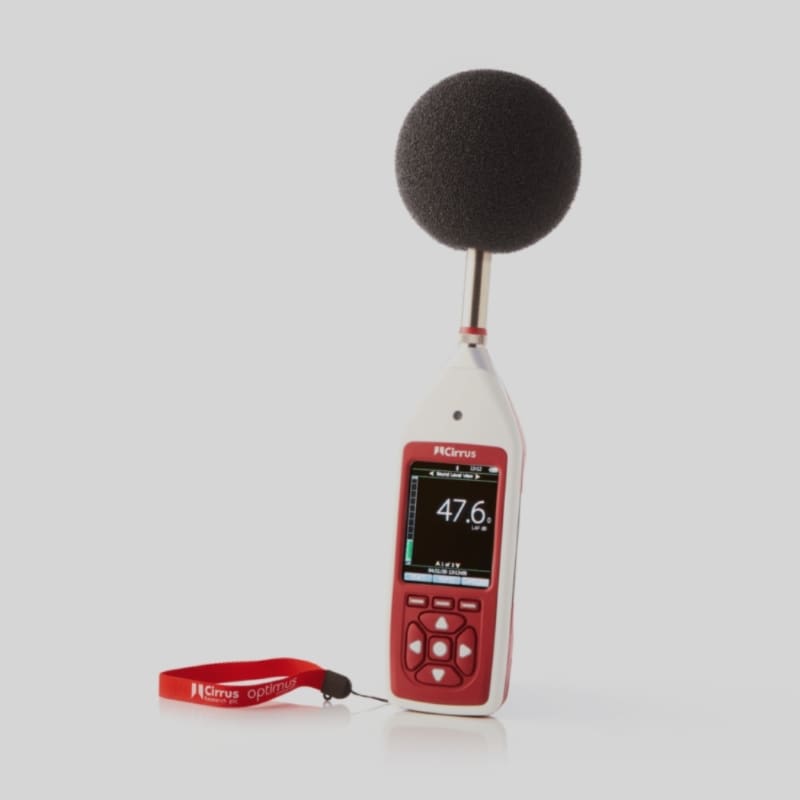
Available as a Class 1 or Class 2 instrument, the Optimus+ Industrial integrating sound level meter is ideal for occupational noise exposure assessments in the workplace.
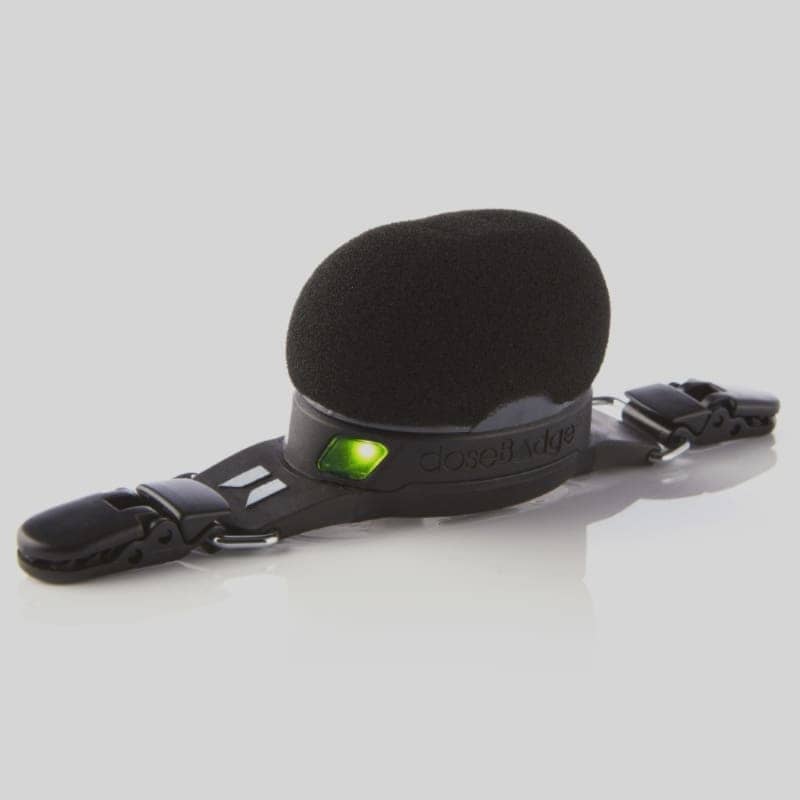
The advanced doseBadge5 personal noise dosimeter offers an enhanced analysis of noise levels and noise frequencies for the ultimate protection against noise in the workplace.


