Oil and Gas Industry Noise Monitoring
The Sources of Noise
Noise in oil and gas processing facilities can originate from a wide range of sources, including compressors, pumps, turbines, generators, and other mechanical equipment. The intensity and frequency of the noise depend on factors such as the type, size, speed, and condition of the equipment, the flow rate and pressure of the fluids or gases, and the distance and direction of sound propagation.
Implementing oil and gas industry noise monitoring is critical for identifying high-risk areas, ensuring worker safety, and maintaining compliance with occupational health regulations. Regular monitoring allows operators to pinpoint noise hotspots, assess the impact of equipment on surrounding environments, and implement noise mitigation strategies such as barriers, enclosures, or maintenance improvements.
Furthermore, oil and gas industry noise monitoring supports environmental protection by tracking the impact of facility operations on nearby wildlife and communities. By recording long-term data, companies can better understand patterns of noise exposure and take proactive steps to reduce disturbances.
Advanced solutions like the Quantum Outdoor noise monitor make oil and gas industry noise monitoring more efficient, enabling remote, automated, and continuous measurement of environmental noise across large or hard-to-access sites. This helps companies maintain both safety standards and environmental responsibility.
The Impact of Noise
Excessive noise generated by the oil and gas industry poses a significant risk to workers, the environment, and the surrounding community. Oil and gas industry noise monitoring is essential to protect employees, as those exposed to high noise levels are at increased risk of hearing loss, tinnitus, stress, sleep disturbances, and even cardiovascular disease.
When it comes to the environment, oil and gas industry noise monitoring helps identify and mitigate impacts on wildlife, especially birds and marine life, affecting their behaviour, reproduction, migration habits, and survival.
For the surrounding community, oil and gas industry noise monitoring can reduce disturbances to local residents, minimizing annoyance, sleep disruption, and interference with overall quality of life.
Managing Noise
Managing noise in the oil and gas industry requires a systematic and proactive approach that involves identifying, measuring, assessing, controlling, and monitoring noise sources and impacts.
To effectively address noise concerns, a comprehensive noise survey is essential. This involves measuring noise levels and frequencies at various locations and times to assess compliance with regulatory and occupational standards.
Implementing a robust noise management plan, outlining clear objectives, responsibilities, actions, resources, and timelines, will help to systematically reduce noise exposure and mitigate its impact.
Any plans you put in place should prioritise eliminating or minimising noise at the source, followed by isolating or reducing noise along the path, and finally protecting or reducing noise at the receiver.
Get in touch with us!
Use the form below to get in touch with our noise & vibration measurement experts
Quantum Outdoor
Watch the Quantum Outdoor product video to see how our Quantum Cloud platform can support long-term oil and gas industry noise monitoring and other environmental sound measurements.

Oil & Gas Industry Noise Monitoring
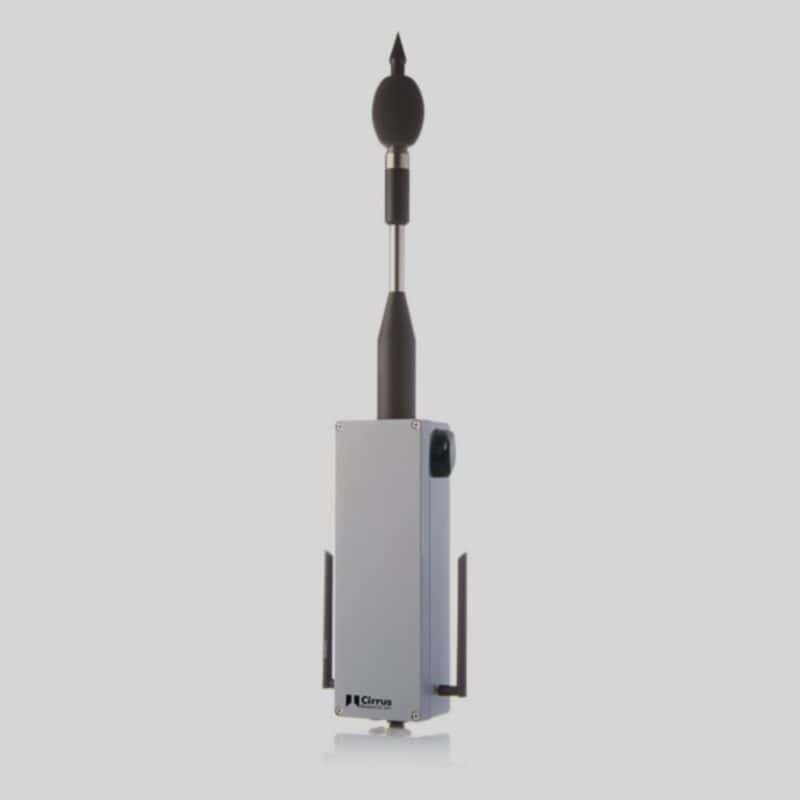
The Quantum Outdoor noise monitor is a fully automated cloud-based environmental monitor, ideal for long-term remote oil and gas industry noise monitoring and other environmental measurements.

With intrinsically safe certification, the Intrinsically Safe doseBadge Noise Dosimeter is ideal for monitoring personal noise exposure in hazardous zones and explosive atmospheres.
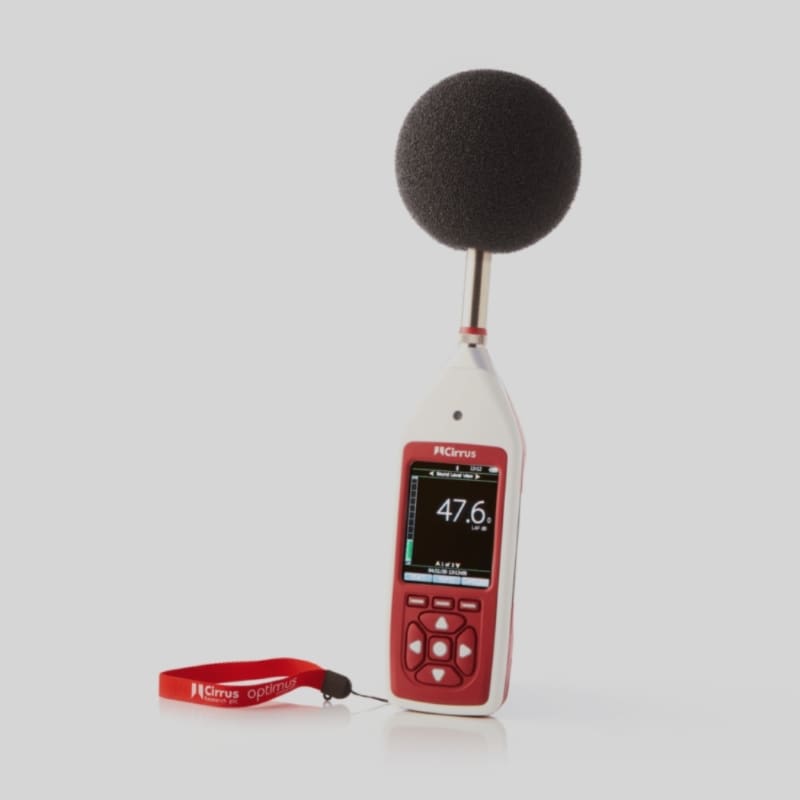
Available as a Class 1 or Class 2 instrument, the Optimus+ Industrial integrating sound level meter is ideal for occupational noise exposure assessments in the workplace.